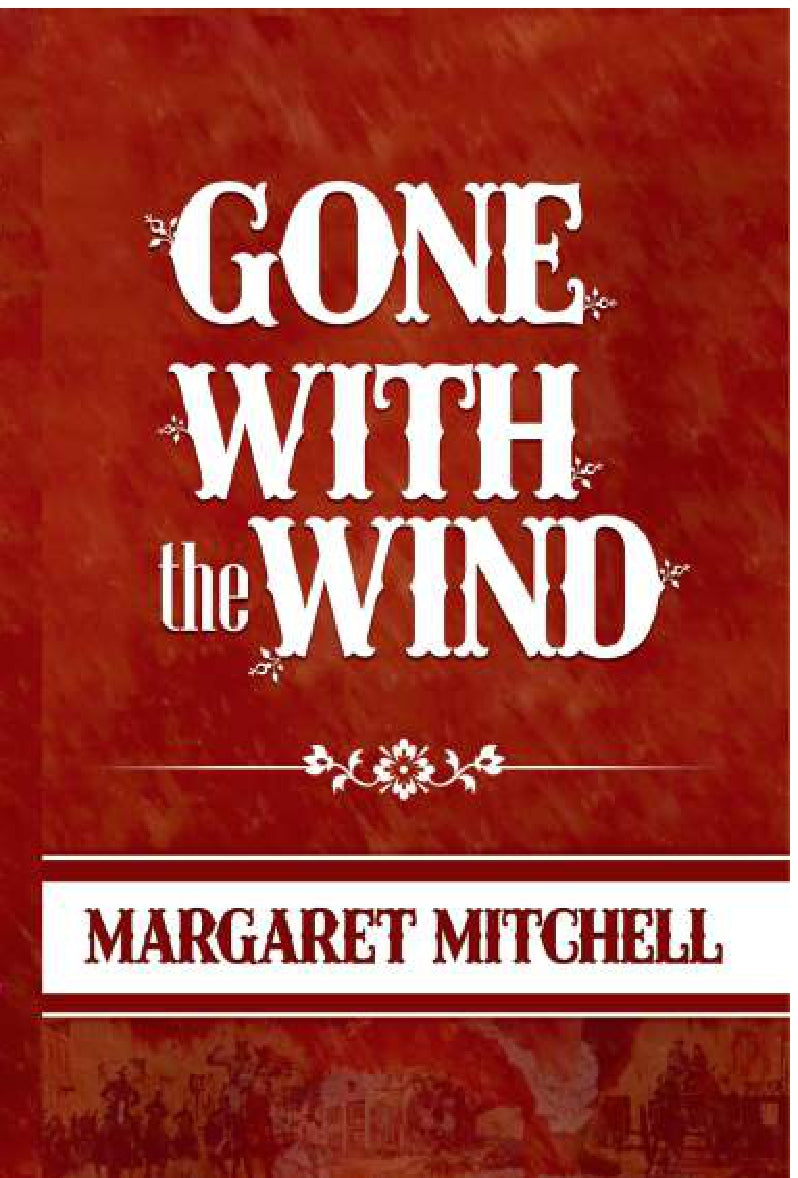
Gone with the Wind: A Timeless Epic of Resilience, Love, and Survival Book Review
Margaret Mitchell’s Gone with the Wind is a sweeping, emotionally charged novel that has captivated readers for over 80 years. First published in 1936, this Pulitzer Prize-winning masterpiece is set during the American Civil War and its aftermath, offering a rich, complex narrative that explores themes of love, loss, survival, and personal transformation. It is the story of Scarlett O’Hara, a headstrong, passionate Southern belle who must navigate the upheaval of war, personal tragedy, and societal change. This timeless classic not only chronicles the history of the South but also delivers profound insights into the resilience of the human spirit and the complexities of love.
The novel’s protagonist, Scarlett O’Hara, is one of literature’s most iconic and controversial characters. Strong-willed, intelligent, and fiercely determined, Scarlett is not a typical heroine. At the start of the book, she is a privileged young woman who has grown up in the lap of luxury at her family’s plantation in Georgia. However, as the war tears apart her world and everything she holds dear, Scarlett is forced to reinvent herself. Her unrelenting pursuit of love, first for the charming but indifferent Ashley Wilkes, and later for the cynical and worldly Rhett Butler, forms the backbone of the narrative. Yet, it is her journey of personal survival and resilience in the face of adversity that truly defines her character.
Mitchell’s portrayal of Scarlett is both inspiring and flawed, making her a deeply complex character. Her stubbornness, while sometimes frustrating, allows her to persevere through unimaginable hardship. Scarlett’s struggle to adapt to a world irrevocably altered by war and its aftermath reflects a broader historical truth: the Southern aristocracy’s way of life was destroyed during the Civil War, and individuals like Scarlett had to find new ways to survive. What makes Scarlett particularly compelling is her unrelenting focus on survival, her ability to think pragmatically even when emotions run high, and her willingness to do whatever it takes to ensure her family’s future. Through Scarlett’s lens, Mitchell paints a picture of a society in transition—one that is challenged not only by war but also by the shifting roles of women and the changing economic landscape.
While Gone with the Wind is often remembered for its portrayal of Scarlett’s indomitable spirit, the novel also delves deeply into the romantic tension between Scarlett and Rhett Butler. Their relationship is one of the most dynamic and tumultuous in literary history. Rhett, who is cynical and world-weary, provides a stark contrast to Scarlett’s idealism and relentless pursuit of Ashley. Despite their differences, their relationship grows into a passionate, at times tragic, love affair. What makes their love story so captivating is the complexity of their interactions—Rhett’s affection for Scarlett is often hidden beneath a layer of sarcasm and wit, while Scarlett’s love for him is marred by her obsessive attachment to Ashley. It is only in the final chapters of the book, after a series of heartbreaks and mistakes, that Scarlett comes to terms with her feelings for Rhett, making for a heart-wrenching conclusion.
Mitchell’s vivid depiction of the South during the Civil War and its aftermath is one of the novel’s most remarkable features. The narrative provides a deeply personal look at the effects of war on both individuals and communities, focusing on the devastation that the conflict wrought on Southern society. Mitchell also explores the shifting racial dynamics of the South, particularly through the experiences of the African-American characters. Though the portrayal of race in Gone with the Wind has been criticized for its romanticized and sometimes problematic depiction of slavery, it remains an important element in understanding the historical context of the story.
Another striking feature of the book is its exploration of the role of women in a society undergoing profound changes. Scarlett’s ability to reinvent herself—first as a businesswoman managing a plantation, then as a woman determined to rebuild her life—serves as an empowering message about resilience and determination. Through Scarlett’s character, Mitchell underscores the idea that survival in a rapidly changing world requires adaptability, strength, and the courage to break free from traditional gender roles.
In conclusion, Gone with the Wind is a captivating and enduring epic that combines romance, history, and personal transformation. Mitchell’s storytelling is masterful, drawing readers into a world of passion, struggle, and heartache. The novel’s portrayal of Scarlett O’Hara is both empowering and humanizing, as she is a character who evolves, makes mistakes, and learns from them. While the book is certainly a product of its time and contains elements that are now controversial, its exploration of love, loss, survival, and personal growth continues to resonate with readers today. Gone with the Wind is more than just a historical novel; it is a testament to the enduring power of the human spirit, the complexities of relationships, and the strength to rise above life’s greatest challenges.