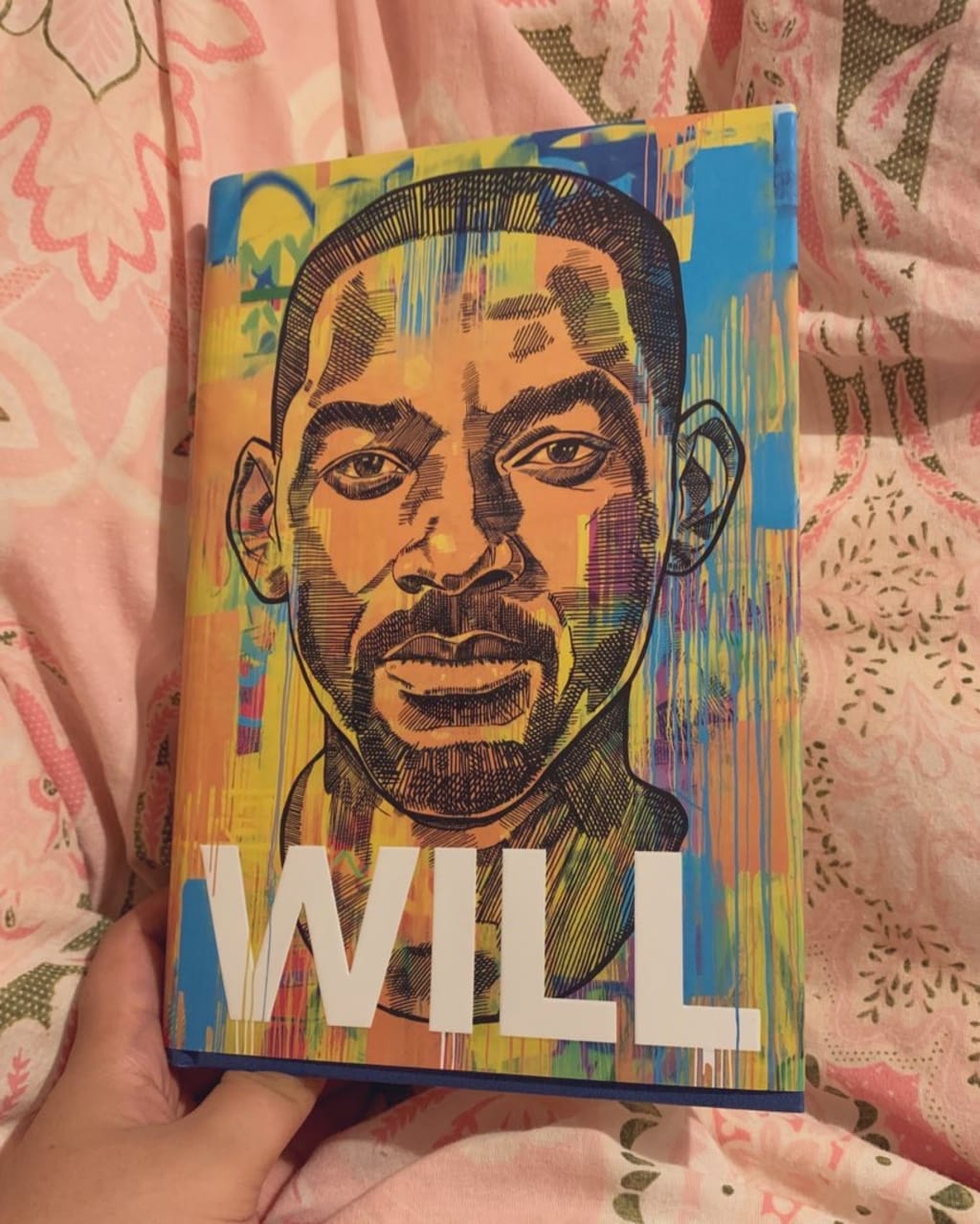
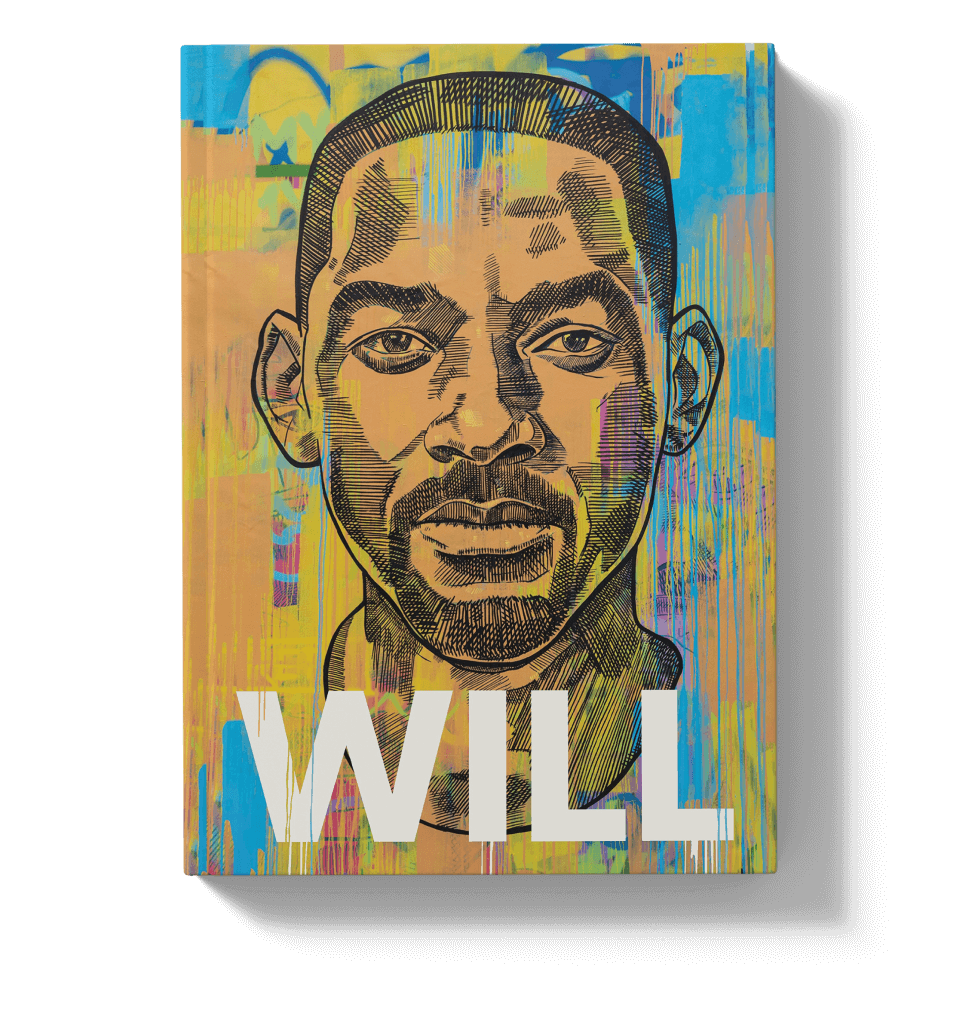
Will Book Review: From Stardom to Self-Mastery
Will, the autobiographical memoir by global superstar Will Smith, co-authored with Mark Manson (author of The Subtle Art of Not Giving a Fck*), is far more than a celebrity tell-all. It’s an electrifying deep dive into the life, mindset, and emotional evolution of one of the world’s most iconic entertainers—a man who turned charm, discipline, and sheer determination into a career that transcends genres and generations.
But what makes this memoir truly stand out is its duality. It is as much about fame and fortune as it is about fear, failure, and self-discovery. With Manson’s signature philosophical bite and Smith’s unfiltered vulnerability, Will becomes a story not just of success, but of transformation—from a boy shaped by trauma and control to a man learning to redefine power on his own terms.
The book begins in the streets of West Philadelphia, where a young Will grew up with a complex father—militant, unpredictable, and deeply influential. These early years are painted with rich, emotional detail and honesty. Will doesn’t shy away from the darker parts of his upbringing: the anxiety of walking on eggshells, the perfectionism it birthed, and the inner “coward” he claims drove much of his early behavior. These revelations form the foundation of what the book ultimately explores: the cost of building an image without first understanding the self behind it.
From his early days rapping with DJ Jazzy Jeff to becoming the Fresh Prince and then a box-office king, Will Smith walks us through the grind behind the glamor. Every chapter contains a mix of wild success stories, industry secrets, and deeply personal moments—like losing all his money after his first wave of fame, rebuilding from scratch, or navigating the turbulent waters of family and fame during his film career.
Manson’s influence is felt throughout in the philosophical underpinnings of the narrative. He helps Will dissect the “why” behind the moves—why he worked obsessively, why he built walls, why he chased approval. It’s this internal excavation that elevates the memoir into a manual for anyone struggling with self-worth, identity, or the need for external validation. Will’s biggest realization? Winning on the outside doesn’t mean peace on the inside.
One of the most compelling parts of the book is Will’s evolving perspective on control. What once served him—strict routines, charm as armor, performance as a shield—eventually becomes a prison. His journey to let go, to trust, to be present (especially in his relationships and parenting), forms the emotional arc of the second half of the book. His stories about Jada Pinkett Smith, his children, and his spiritual awakening offer valuable insights into love, ego, and letting go of control.
The writing is crisp, cinematic, and honest. Every chapter feels like a scene—dramatic, funny, painful, or reflective. You don’t just learn about Will Smith; you feel him. His passion for life, his obsession with excellence, and his hunger for personal truth are palpable.
By the end, Will transforms from a memoir into something more profound: a self-mastery manifesto. It’s a book that says success means little without self-knowledge. It challenges the reader to confront their own illusions and build a life not just of achievement, but of meaning.
In a world obsessed with perfection and filters, Will is a breath of fresh air—a raw, real, and relentlessly motivating reminder that the most powerful thing we can do is own our story, rewrite the parts that no longer serve us, and show up in the world, not just as stars, but as whole, self-aware human beings.