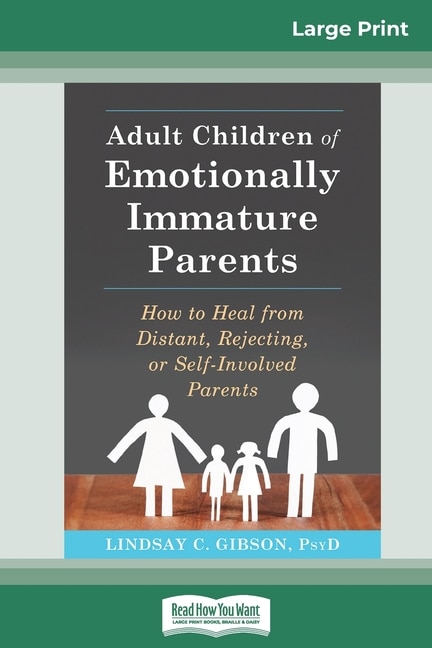
Adult Children of Emotionally Immature Parents Book Review: A Powerful Path to Healing from Emotionally Immature Parents
Adult Children of Emotionally Immature Parents by Dr. Lindsay C. Gibson is more than just a book—it’s a profound awakening. It offers validation, clarity, and a transformative roadmap for anyone who grew up feeling emotionally neglected, misunderstood, or unworthy in their own family. Through compassionate insight and grounded psychological wisdom, Gibson hands readers the tools to reclaim their self-worth, set healthy boundaries, and finally begin to heal.
Many adult children carry invisible wounds—emotional bruises that linger long after childhood ends. These wounds are often the result of emotionally immature parents: adults who, due to their own unresolved issues, were unable to connect in a meaningful, emotionally safe, and nurturing way. In this book, Gibson illuminates how these dynamics affect self-esteem, relationships, and identity well into adulthood.
One of the book’s most empowering aspects is its unflinching honesty. Gibson doesn’t sugarcoat the emotional reality of growing up with parents who lacked the emotional depth to validate, empathize, or consistently support their children. She offers clear definitions and characteristics of emotionally immature parents—such as being self-preoccupied, dismissive, inconsistent, or emotionally volatile. These descriptions are so precise that many readers feel an immediate emotional recognition. It’s not just about understanding your parents—it’s about finally understanding yourself.
But this is not a book about blame. It’s about breaking the cycle. Gibson walks a fine line between holding emotionally immature parents accountable while also helping readers develop compassion for themselves. The focus is never on revenge or confrontation. Instead, it’s about building emotional independence and developing what Gibson calls a “core self”—a strong, grounded inner identity that doesn’t rely on dysfunctional family dynamics to define its worth.
What makes this book truly stand out is its practical approach to healing. Rather than just describing the problem, Gibson empowers readers with specific tools and strategies to move forward. She teaches how to identify emotionally mature vs. immature responses, how to recognize emotional manipulation, and how to establish boundaries that protect your peace. The result is a sense of emotional empowerment that many readers have long been seeking.
One particularly powerful chapter focuses on the difference between “externalizers” and “internalizers.” Externalizers blame others and avoid self-reflection. Internalizers, often the adult children of these parents, take on too much responsibility for emotional dysfunction and constantly question their own worth. Gibson helps internalizers recognize this pattern and begin the hard but necessary work of self-affirmation—of finally believing, “It wasn’t my fault.”
The tone of the book is gentle yet firm. Gibson writes like a wise and kind therapist—someone who sees your pain, understands it deeply, and helps you navigate it with strength and grace. Her insights aren’t just theoretical; they come from years of clinical experience. Every page feels like a guided conversation, offering relief from guilt, self-doubt, and confusion.
By the end of the book, the reader doesn’t just walk away with understanding—they walk away with hope. Hope that healing is possible. Hope that love, when rooted in emotional maturity, can be both safe and fulfilling. Hope that their own story is not over—it’s just beginning.
In conclusion, Adult Children of Emotionally Immature Parents is a life-changing guide for emotional growth and personal freedom. It gently dismantles the false beliefs planted in childhood and replaces them with empowering truths. For anyone who has felt “too sensitive,” “not enough,” or constantly stuck in toxic relational patterns, this book is a lighthouse. Lindsay C. Gibson offers the ultimate message: you are not broken—you were just never fully seen. But now, with awareness, self-compassion, and the right tools, you can become your truest, strongest self.