🎉 Use Coupon "booksforall" to redeem 10% discount on all purchases.


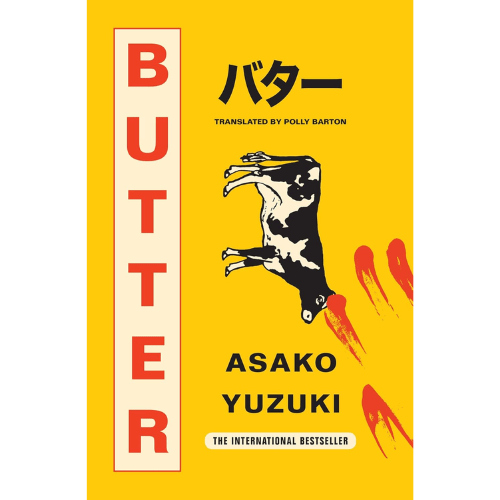
Butter: 9 Shocking Reasons This Sunday Times Bestseller Is So Addictive
Original price was: ₨958.₨680Current price is: ₨680.
Butter: 9 Shocking Reasons This Sunday Times Bestseller Is So Addictive
Butter by Asako Yuzuki has become one of the most talked-about novels in recent years, earning widespread praise from readers and critics around the world. The book rose to international recognition after becoming a Number One Sunday Times bestseller, winning Waterstones Book of the Year 2024, and receiving the British Book Awards Debut Novel of the Year 2025. With its bold storytelling, unusual premise, and deeply engaging characters, Butter has quickly established itself among the best novels to read for readers who enjoy thought-provoking and unconventional stories.
This remarkable novel blends elements of crime, culture, and social commentary, making it one of the most distinctive popular fiction books in contemporary literature. Inspired by a real criminal case in Japan, the story explores the complex relationship between food, power, and identity. Through its unique narrative style and intriguing themes, the book offers readers an unforgettable journey into a world where culinary pleasure and dark secrets intersect.
The story centers on Manako Kajii, a woman convicted of murdering several lonely businessmen. According to the accusations, Kajii lured her victims through elaborate home-cooked meals and romantic manipulation. Now imprisoned in a Tokyo detention center, Kajii has become a mysterious and controversial public figure. Her case has fascinated the entire nation, yet she refuses to speak to journalists or provide any explanation for her actions. The silence surrounding her story only increases public curiosity.
The narrative takes an unexpected turn when Rika Machida, a young journalist, attempts to reach Kajii in an unusual way. Instead of asking about the crimes, Rika writes to Kajii requesting her recipe for beef stew. Surprisingly, this small and seemingly innocent request sparks Kajii’s interest, and she replies. What begins as a simple exchange about cooking gradually develops into a complex and psychologically charged relationship between the two women.
Rika works in a demanding newsroom where she is the only female reporter. Her lifestyle reflects the pressures of her career—long work hours, little personal time, and a diet consisting mostly of instant meals like ramen. As she continues visiting Kajii in prison, the conversations between them revolve more around food than crime. Kajii describes meals with extraordinary detail, turning each dish into an almost philosophical experience. Through these conversations, food becomes a powerful symbol of control, pleasure, and identity.
As their interactions deepen, Rika begins to change in ways she never expected. The meals she learns about, cooks, and tastes awaken something within her—an appreciation for life’s sensory pleasures and a deeper curiosity about the woman she is investigating. Instead of simply exposing Kajii’s secrets, Rika finds herself questioning her own beliefs about ambition, femininity, and independence. The more time she spends with Kajii, the more she wonders whether their lives share surprising similarities.
One of the most compelling aspects of Butter is its exploration of social expectations and gender roles in modern society. The novel examines how women are judged for their choices, appearance, and ambitions, particularly within professional environments. By presenting two very different women whose lives become unexpectedly connected, the story challenges readers to reconsider assumptions about morality, power, and freedom.
For readers searching for engaging fiction books Nepal, Butter offers a unique and memorable reading experience. Its combination of mystery, psychological tension, and cultural insight makes it stand out among story books Nepal that explore deeper human themes. The novel also appeals to readers who enjoy character-driven narratives and layered storytelling that reveals new details with each chapter.
Critics have praised the novel for its originality and atmosphere. Many describe it as captivating, unusual, and impossible to put down. Its vivid descriptions of food add an extra sensory dimension to the story, making readers feel as though they are experiencing the meals alongside the characters. This distinctive approach transforms the book into more than just a crime story—it becomes a reflection on desire, power, and the complexities of human relationships.
Ultimately, Butter is a bold and unforgettable novel that combines suspense, social commentary, and culinary storytelling in a way rarely seen in modern fiction. For readers looking for novels for readers who appreciate originality and depth, this book offers a powerful and thought-provoking journey. As one of the most talked-about popular fiction books of recent years, Butter continues to captivate audiences around the world and solidify its place among the best novels to read today.

Description
Butter: 9 Shocking Reasons This Sunday Times Bestseller Is So Addictive
- International bestselling novel: Butter by Asako Yuzuki became a global literary sensation, reaching the top of the Sunday Times bestseller list and winning Waterstones Book of the Year 2024.
- Inspired by a real criminal case: The story draws inspiration from a true Japanese crime case, adding depth and realism to the narrative.
- Unique crime and cultural fiction: The novel combines psychological mystery, social commentary, and culinary storytelling, making it one of the most intriguing popular fiction books in modern literature.
- Focus on a mysterious central character: The story revolves around Manako Kajii, a gourmet cook who is imprisoned after being accused of murdering several lonely businessmen.
- Crimes connected to food and manipulation: Kajii is believed to have attracted her victims with elaborate home-cooked meals before committing the murders.
- A determined journalist’s investigation: The narrative follows journalist Rika Machida, who attempts to uncover the truth behind Kajii’s case.
- An unusual starting point: Instead of asking about the murders, Rika first contacts Kajii by requesting her recipe for beef stew, which unexpectedly begins their correspondence.
- Food becomes a powerful theme: As their conversations develop, detailed discussions about cooking and food reveal deeper psychological and emotional layers in the story.
- Explores social and gender expectations: The novel examines issues such as misogyny, identity, and societal pressure on women in modern Japan.
- A compelling read for fiction lovers: With its gripping narrative and unique concept, Butter stands out among fiction books Nepal, best novels to read, and engaging story books Nepal for readers who enjoy thought-provoking storytelling.
https://www.facebook.com/readersspacenepal
https://readersspacenepal.com/product/do-epic-shit/