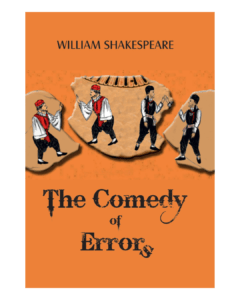
“The Comedy of Errors” by William Shakespeare Book Review: A Hilarious Tangle of Identity and Miscommunication
William Shakespeare’s The Comedy of Errors is a delightful whirlwind of mistaken identities, humorous misunderstandings, and fast-paced action, offering a timeless reminder of the absurdities that arise from confusion and human folly. First performed around 1594, this comedy is one of Shakespeare’s earliest plays, and it continues to entertain audiences today with its uproarious humor, memorable characters, and lighthearted exploration of themes such as family, loyalty, and identity. The Comedy of Errors remains a masterpiece of comedy, filled with wit, slapstick humor, and clever wordplay, showcasing Shakespeare’s ability to blend farce with insightful commentary on human nature.
At the heart of the play is a plot brimming with comedic confusion. The story revolves around two sets of identical twins, both of whom are separated at a young age due to a shipwreck. The first set of twins, Antipholus of Ephesus and Antipholus of Syracuse, are unaware of each other’s existence. Similarly, the second set, the twin servants Dromio of Ephesus and Dromio of Syracuse, have been separated as well. The ensuing chaos begins when the Antipholuses and the Dromios end up in the same city, Ephesus, leading to a series of hilarious mix-ups, mistaken identities, and improbable situations that leave the characters—and the audience—deliriously amused.
The plot of The Comedy of Errors is a brilliantly crafted farce, with rapid pacing that keeps the action moving and the laughs coming. The mistaken identities and misunderstandings lead to moments of physical comedy and absurd situations, such as one Antipholus being locked out of his own house, while the other is mistaken for a madman. The Dromios are subjected to a series of beatings and misunderstandings, heightening the slapstick humor that pervades the play. Yet, beneath the humor, Shakespeare manages to weave in deeper themes, such as the nature of identity and the fragility of human relationships.
The play is also a brilliant exploration of the chaos that arises from the disconnect between appearance and reality. The mistaken identities in The Comedy of Errors create a world where nothing is as it seems, and characters constantly grapple with a sense of confusion and dislocation. While this leads to comic situations, it also offers a reflection on how easily misunderstandings and miscommunications can escalate, sometimes with humorous and sometimes with serious consequences. Shakespeare plays with the idea that identity is not simply a matter of appearance, and the play suggests that knowing who we truly are is both a personal and a social challenge.
Shakespeare’s rich use of language is one of the standout features of The Comedy of Errors. The witty banter between the characters, especially between the two Dromios and their respective masters, is laced with wordplay, puns, and clever repartee that keeps the audience engaged and entertained. The humor is fast and infectious, with a delightful blend of slapstick physical comedy and intellectual jokes, making it appealing to a broad range of readers and viewers. Whether it’s the Dromios’ mistaken instructions or the Antipholuses’ bafflement over their supposed misdeeds, Shakespeare’s writing crackles with energy and charm, ensuring that The Comedy of Errors remains a comedy for the ages.
In addition to the farce, the play also delves into themes of love and family. The reunion of the separated family members at the play’s conclusion is a joyous moment that provides a sense of resolution and emotional depth to the comedy. Although the play is filled with comedic confusion, Shakespeare never loses sight of the importance of familial bonds, loyalty, and reconciliation. The ultimate resolution, with the restoration of order and the revelation of the true identities of the twins, delivers a satisfying, heartwarming conclusion.
The Comedy of Errors also stands out for its energetic and vibrant characters. Antipholus of Ephesus, the more serious and bewildered of the twins, contrasts sharply with the carefree and quick-witted Antipholus of Syracuse. Similarly, the Dromios’ loyalty and service to their masters, combined with their comedic antics, add an additional layer of humor to the play. The supporting characters, such as Adriana, Antipholus of Ephesus’s wife, and the various townspeople of Ephesus, each play their parts in amplifying the chaos and humor, creating a lively and entertaining ensemble.
In conclusion, The Comedy of Errors is a brilliant and timeless comedy that showcases Shakespeare’s mastery of wit, farce, and character development. Its exploration of mistaken identities, the nature of family, and the absurdity of misunderstandings creates a hilarious and thought-provoking experience for audiences. The play’s clever wordplay, physical comedy, and quick-paced plot make it one of Shakespeare’s most entertaining and accessible works. Whether you’re drawn to the humor, the themes, or the rich language, The Comedy of Errors offers something for everyone—a rollicking journey through the chaos of human misunderstanding and the joy of eventual reconciliation.