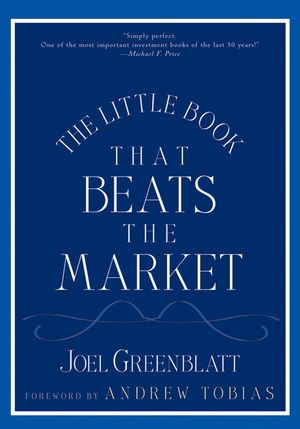
The Little Book That Beats Book Review : The Market is a Game-Changer for Every Investor
In the ever-changing world of investing, The Little Book That Beats The Market by Joel Greenblatt stands out as a rare gem—compact, practical, and transformative. While the title may sound bold, the book more than delivers. It demystifies the art of investing by providing a clear, logical strategy that doesn’t require an MBA, a Wall Street job, or even a background in finance. All you need is curiosity, discipline, and the willingness to trust a method grounded in common sense and backed by real-world results.
At its core, Greenblatt’s mission is simple: to teach readers how to buy good companies at great prices. This idea is the foundation of value investing, a philosophy famously championed by Warren Buffett and Benjamin Graham. But Greenblatt takes it a step further by introducing his easy-to-understand “Magic Formula”—a two-step process based on Return on Capital (quality) and Earnings Yield (value). By ranking companies using these two metrics, Greenblatt shows how investors can systematically choose businesses that are both profitable and undervalued.
What makes this formula so special is not just its simplicity, but its effectiveness. Greenblatt provides years of market data that show how this approach has historically beaten the overall stock market—and not by a small margin. The back-tested results are compelling, and Greenblatt presents them in a way that is both transparent and easy to follow.
But what truly elevates this book is the way it’s written. Greenblatt isn’t preaching from a pedestal—he’s speaking directly to the reader, often with a playful tone and clever analogies. He compares investing to buying pieces of real businesses from your neighbor, not picking lottery numbers on a stock ticker. He uses the example of a struggling gum business and a candy store to teach essential investing principles. These metaphors make the book not only educational but genuinely enjoyable to read.
The book is intentionally written to be accessible to readers of all ages, even children. In fact, Greenblatt originally wrote the book to teach his own kids about investing. That personal motivation shines through—it’s clear he wants readers to understand these concepts deeply and use them to take control of their financial future.
Another strength of the book is how it emphasizes long-term thinking. Greenblatt doesn’t promise overnight riches or quick wins. Instead, he warns that the formula won’t always beat the market every single year—but over time, it works. This is a crucial lesson for new investors who may be tempted by day-trading trends or the latest meme stock. Greenblatt teaches that the real edge in investing comes from patience, not panic.
The book also addresses an important psychological truth: most people will abandon a winning strategy if it underperforms for a short time. Greenblatt urges readers to stay disciplined, even when the market doesn’t cooperate. In doing so, he teaches not just a strategy, but a mindset—one that values logic over emotion, evidence over hype.
The Little Book That Beats The Market isn’t just about beating the market; it’s about becoming a smarter, calmer, more confident investor. It gives readers the tools to build wealth with clarity, purpose, and peace of mind. And in a world full of financial noise, that kind of empowerment is priceless.
Whether you’re just starting your investment journey or looking to refine your approach, this book belongs on your shelf—and in your strategy. It’s the kind of guide you’ll return to again and again, especially when markets get rough or your confidence wavers.
Greenblatt has done something rare: he’s taken the mystery out of investing and replaced it with logic, discipline, and hope. If you’re serious about making your money work for you, The Little Book That Beats The Market is the smartest place to start.