🎉 Happy Dashain Readers. Use Coupon "dashain50" to get upto 50% discount on all purchases.



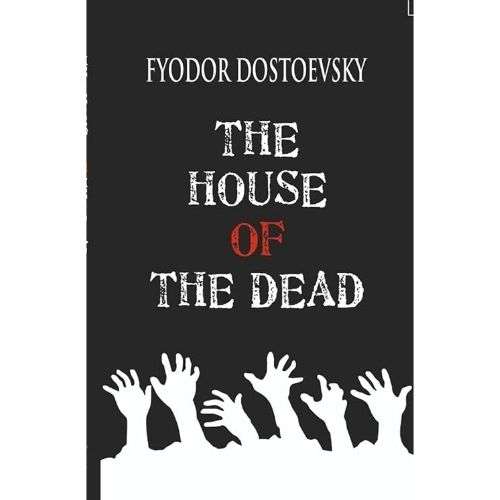
Timeless Books: The House of the Dead – 1 Powerful Literary Masterpiece
Original price was: ₨679.₨540Current price is: ₨540.
The House of the Dead is one of Dostoyevsky’s most haunting and deeply introspective works, standing firmly among the greatest timeless books in world literature. Born from exile, humiliation, and profound suffering, the novel is widely regarded as one of the best books of all time, not only for its historical importance but for its unmatched psychological depth. Inspired by Dostoyevsky’s own imprisonment in a Siberian labor camp, this extraordinary narrative blends documentary realism with spiritual exploration, making it one of the essential must read books for readers seeking moral reflection, emotional intensity, and philosophical insight.
In 1849, Dostoyevsky was arrested for his involvement in a political discussion group deemed subversive by the Tsarist regime. Sentenced to four years of hard labor in a remote Siberian prison camp, he endured physical hardship, isolation, and relentless psychological strain. These experiences profoundly transformed him, reshaping his worldview and literary voice. Out of this crucible of suffering emerged The House of the Dead, a fictionalized yet strikingly authentic portrayal of prison life. Through literature, Dostoyevsky turned personal agony into enduring art, securing this novel’s place among the most significant timeless books ever written.
The story unfolds through the perspective of Aleksandr Petrovich Goryanchikov, a nobleman convicted of murdering his wife and sentenced to penal servitude. As an educated outsider thrust into a brutal environment, Aleksandr becomes both participant and observer. Through his reflective narration, readers witness the grim realities of 19th-century Russian prison life: overcrowded wooden barracks, freezing winters, lice-infested bedding, and meager meals barely fit for survival. Dostoyevsky spares no detail in presenting the harsh monotony and indignities endured by the inmates. Yet the novel’s power lies not only in its realism but in its penetrating examination of human character under extreme conditions.
Within the prison walls, Dostoyevsky introduces a diverse gallery of convicts—murderers, thieves, peasants, soldiers, and political prisoners—each bearing a unique story shaped by poverty, violence, or circumstance. Some are cruel and volatile; others reveal surprising tenderness and loyalty. Through these portraits, the author challenges simplistic moral judgments and invites readers to confront the complexity of guilt and humanity. This depth of psychological insight is precisely why the novel remains one of the books every reader should read, offering lessons about empathy and the resilience of the human spirit.
Beyond its stark depiction of incarceration, The House of the Dead is ultimately a narrative of transformation. As Aleksandr endures years of suffering and humiliation, he gradually rediscovers compassion and a renewed sense of spiritual awareness. Stripped of pride and status, he learns to recognize the shared humanity that binds even the condemned. This journey mirrors Dostoyevsky’s own moral awakening during imprisonment, when he began to view suffering not solely as punishment but as a path toward redemption. In this sense, the novel transcends the boundaries of prison memoir and becomes a meditation on rebirth and spiritual endurance.
First serialized in the early 1860s, the book marked a turning point in Dostoyevsky’s career and reestablished him as a major literary force. It laid the groundwork for later masterpieces such as Crime and Punishment and The Brothers Karamazov. Today, it continues to be celebrated globally and increasingly recognized among popular books in Nepal by readers who value profound literary classics.
Ultimately, The House of the Dead is far more than a prison narrative. It is a searching exploration of suffering, justice, compassion, and the possibility of inner renewal. Its enduring relevance secures its position among the world’s best books of all time and confirms its status as one of literature’s most powerful and enduring timeless books.

Description
- Deeply Personal Masterpiece:
The House of the Dead stands among the greatest timeless books, a semi-autobiographical novel inspired by Dostoyevsky’s years of imprisonment in a Siberian labor camp. It is widely regarded as one of the best books of all time in Russian literature. - Born from Exile and Suffering:
Written after Dostoyevsky’s four-year sentence in 1850, the novel reflects his agonizing yet transformative captivity making it one of the most powerful must read books in world fiction. - Narrated by Aleksandr Petrovich:
Through Aleksandr Goryanchikov, a nobleman convicted of murder, readers witness life inside a Russian penal colony. This perspective makes it one of the books every reader should read for understanding 19th-century Russian society. - Grim Realism of Prison Life:
The freezing cells, wooden plank beds, insect-infested barracks, and meager meals are described with documentary precision securing its place among truly timeless books of social realism. - Unforgettable Human Portraits:
Dostoyevsky presents complex convicts — cruel yet unexpectedly humane — revealing the spectrum of human behavior under suffering. This depth is why it remains among the best books of all time. - Exploration of the Human Soul:
Beyond realism, the novel becomes a profound spiritual journey through guilt, punishment, and redemption — one of the most psychologically rich must read books ever written. - Transformation Through Suffering:
Aleksandr’s gradual rediscovery of empathy mirrors Dostoyevsky’s own rebirth, making this one of the most powerful timeless books about resilience. - Blend of Realism and Philosophy:
Meticulous detail fused with moral reflection transforms raw experience into philosophical meditation cementing its place among books every reader should read. - Turning Point in Dostoyevsky’s Career:
Serialized in the 1860s, it restored Dostoyevsky’s literary stature and paved the way for later masterpieces like Crime and Punishment and The Brothers Karamazov. - Timeless Message of Hope:
Even within the “house of death,” humanity survives. This enduring relevance explains why it remains one of the most respected popular books in Nepal among serious literary readers.
https://www.facebook.com/readersspacenepal
https://readersspacenepal.com/product/8-rules-of-love/