The Complete Book of Yoga: A Comprehensive Guide to Mind, Body, and Spirit Book Review
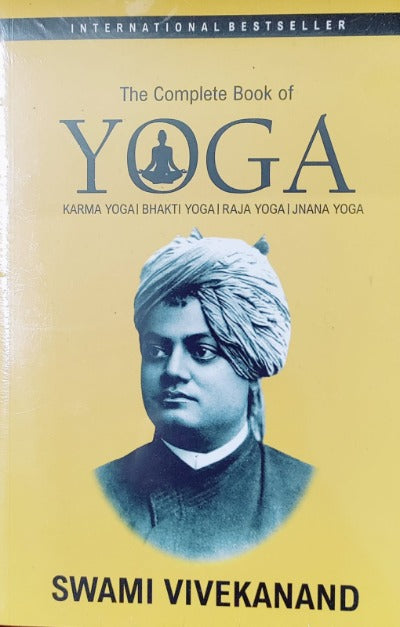
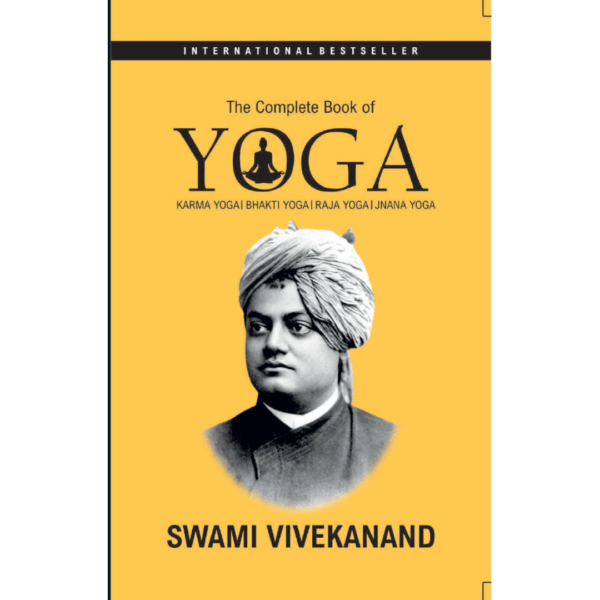
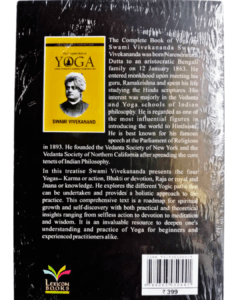
The Complete Book of Yoga by Swami Vivekananda is a timeless and transformative guide to the ancient practice of yoga. Published in the late 19th century, it brings together the profound wisdom of the yogic tradition, offering readers a practical and philosophical framework for cultivating harmony between the body, mind, and spirit. Written by one of the most influential spiritual teachers of modern India, Swami Vivekananda, this book distills the teachings of yoga into a clear, accessible, and holistic approach to living a more balanced and fulfilling life. It is an essential resource for both beginners and seasoned practitioners who are eager to deepen their understanding and practice of yoga.
The book is divided into different sections, each exploring a unique aspect of yoga. It presents an integrated approach, beginning with an introduction to the philosophy behind yoga, followed by practical instructions on various asanas (physical postures), pranayama (breathing exercises), and meditation techniques. Swami Vivekananda emphasizes that yoga is not merely a physical discipline, but a complete system for achieving spiritual awakening, mental clarity, and physical well-being. The book is filled with profound insights on the nature of consciousness, the power of self-discipline, and the importance of inner peace.
One of the book’s core messages is that yoga is a path to self-realization and spiritual awakening. Swami Vivekananda explains that the ultimate goal of yoga is to transcend the limitations of the body and the ego and connect with the divine or universal consciousness. He outlines various forms of yoga, including Raja Yoga (the path of meditation), Karma Yoga (the path of selfless action), Bhakti Yoga (the path of devotion), and Jnana Yoga (the path of knowledge), providing readers with a comprehensive understanding of the different ways in which yoga can be practiced. Each path, according to Swami Vivekananda, is valid and leads to the same ultimate truth—freedom from suffering and the realization of one’s true nature.
What makes The Complete Book of Yoga truly remarkable is its ability to bridge the gap between the ancient wisdom of yoga and the modern world. Swami Vivekananda’s writing is not only deeply philosophical but also practical. He provides clear and detailed instructions on how to practice the physical postures and breathing techniques that form the foundation of yoga. He stresses the importance of consistency and discipline in developing a strong yoga practice and highlights the significance of the mind-body connection. The book offers practical advice on how to integrate yoga into daily life, emphasizing that yoga is not just a set of exercises but a way of living—an ongoing process of self-improvement and self-awareness.
One of the most profound aspects of The Complete Book of Yoga is its focus on the mental and emotional benefits of yoga. Swami Vivekananda highlights the importance of mental discipline and self-control, encouraging readers to cultivate a steady and focused mind. He also addresses the challenges of dealing with negative emotions, stress, and distractions, offering guidance on how to overcome these obstacles through meditation and mindfulness. For modern readers, this aspect of yoga is particularly relevant, as it offers a natural antidote to the pressures and anxieties of contemporary life. Through meditation and self-inquiry, Swami Vivekananda teaches that one can achieve mental clarity, emotional balance, and a sense of inner calm, even in the midst of life’s challenges.
The physical aspect of yoga is equally emphasized, with Swami Vivekananda providing detailed instructions on the correct practice of various postures. These asanas, while often seen as the most recognizable aspect of yoga in the West, are not just exercises for flexibility or strength. According to Swami Vivekananda, they are tools for cleansing the body and calming the mind, preparing the practitioner for deeper meditation and spiritual practice. The postures are meant to create a state of equilibrium and allow the practitioner to sit in meditation with comfort and ease.
In addition to its practical and philosophical teachings, The Complete Book of Yoga is also a spiritual guide. Swami Vivekananda urges readers to recognize their divine nature and transcend the limitations of the ego. He teaches that the ultimate goal of yoga is to experience oneness with the universe and to realize that we are all interconnected, beyond the superficial differences of race, religion, or nationality. This universal message of unity and spiritual awakening resonates deeply, offering readers a sense of purpose and connection in a world often divided by external factors.
Overall, The Complete Book of Yoga is an invaluable resource for anyone seeking to deepen their understanding of yoga and incorporate its principles into their life. Whether you are a beginner or an experienced practitioner, this book offers something for everyone. Swami Vivekananda’s teachings are timeless, addressing not only the physical practice of yoga but also its profound philosophical and spiritual dimensions. His ability to blend ancient wisdom with practical guidance makes this book an indispensable tool for anyone on the path to greater health, peace, and self-realization. By following the principles outlined in this book, readers can cultivate a deeper sense of balance, mindfulness, and connection to the world around them. The Complete Book of Yoga is more than just a manual for physical exercises; it is a holistic guide for living a purposeful, meaningful life.