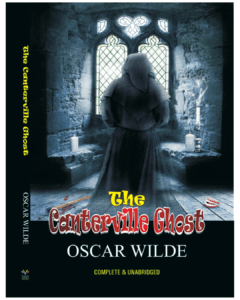
The Canterville Ghost: A Delightful Blend of Humor, Heart, and the Supernatural Book Review
Oscar Wilde’s The Canterville Ghost is a charming, witty, and poignant novella that deftly blends elements of the supernatural with humor, offering readers a delightful exploration of the clash between old-world traditions and modern sensibilities. First published in 1887, this novella stands as one of Wilde’s most enjoyable works, combining his sharp social commentary with a story that is both entertaining and thoughtful. With its memorable characters, rich wit, and underlying moral messages, The Canterville Ghost remains an enduring favorite, offering readers a delightful and meaningful experience.
At the heart of The Canterville Ghost is Sir Simon, the ghost of Canterville Chase, a grand English mansion where he has haunted the family living there for centuries. Sir Simon is a typical Gothic ghost—he is terrifying, brooding, and bound by a curse due to the heinous crimes he committed in life. His main objective is to frighten and torment the new inhabitants of the house, the American Otis family, who have recently moved in. Sir Simon’s ghostly presence includes creepy noises, eerie apparitions, and the usual array of spooky antics designed to invoke fear and dread in those who cross his path.
However, unlike the expected reaction, the Otis family, particularly the American father, Mr. Otis, dismisses Sir Simon’s attempts as mere superstition. Instead of being terrified, they respond with practicality and skepticism, not giving in to the ghost’s attempts to haunt them. This clash between the traditional English notions of ghostliness and the practical, modern American mindset sets the stage for much of the novella’s humor and charm. Wilde masterfully uses this contrast to satirize Victorian attitudes toward the supernatural while providing a sharp critique of modernity’s disregard for the past.
The humor of The Canterville Ghost lies in its absurdity—where a once-feared and powerful ghost becomes a figure of ridicule. Sir Simon, instead of being terrifying, is often rendered powerless by the Otis family’s pragmatic reactions. The ghost’s attempts at spooking the family are thwarted in comical ways, such as when Mr. Otis offers the ghost a bottle of American cleaning fluid to remedy the eerie stains in the house or when the ghost is unable to frighten the Otis children, who are more focused on their own antics than on being afraid. This reversal of expectations makes for a delightful and lighthearted read.
Yet, Wilde’s novella is more than just a humorous ghost story. It also has an emotional and moral depth, particularly in the character of Virginia Otis, the Otis family’s daughter. Virginia is portrayed as a kind and pure-hearted young woman who, despite the family’s skeptical attitude, sees through the ghost’s malevolent exterior to understand his tragic past. Sir Simon is not just a ghost who has been condemned to haunt the house for centuries; he is a tortured soul bound by guilt and remorse for the murder of his wife. Over the course of the story, Virginia shows compassion toward Sir Simon, helping him find redemption by offering him her forgiveness. In a deeply moving moment, she guides the ghost through the process of repenting for his sins, allowing him to finally rest in peace. This moment of redemption serves as a beautiful contrast to the comic elements of the story, reminding readers of the importance of empathy, kindness, and forgiveness.
Through this subplot of redemption, Wilde explores themes of grace, humanity, and the power of compassion to break the chains of guilt. Sir Simon’s evolution from a terrifying figure to a sympathetic character highlights Wilde’s ability to blend humor with profound moral lessons. In doing so, The Canterville Ghost becomes a story not only about ghosts and haunting but also about the power of understanding, forgiveness, and the overcoming of past wrongs.
Moreover, Wilde’s brilliant use of satire is evident throughout the novella, as he mocks the differences between British and American cultures. His portrayal of the Otis family as practical and unafraid contrasts sharply with the more sentimental and emotionally driven English characters, satirizing both national characterizations. Wilde’s sharp wit and keen observations on society are evident in his treatment of social norms, materialism, and the perceived grandeur of the past.
In conclusion, The Canterville Ghost is a multifaceted work that blends humor, social commentary, and deep moral reflection. Wilde’s masterful use of wit and irony makes this novella not only an entertaining read but also a thought-provoking exploration of themes such as compassion, redemption, and the clash between tradition and modernity. Its humorous take on the ghost story genre, combined with its heartwarming message of forgiveness, ensures that The Canterville Ghost remains a timeless classic. Whether you are drawn in by the supernatural elements, the wit, or the deep moral lessons, Wilde’s tale is sure to leave a lasting impact on readers of all ages.