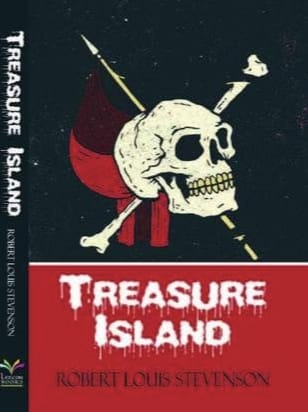
Treasure Island Book Review: A Timeless Adventure of Courage, Loyalty, and the Pursuit of Treasure
Robert Louis Stevenson’s Treasure Island is one of the most iconic adventure novels of all time, offering readers a thrilling journey filled with pirates, hidden treasure, and unforgettable characters. First published as a serialized novel in 1881-1882, the book has since become a beloved classic, captivating generations of readers with its swashbuckling tale of adventure, heroism, and betrayal. This gripping story takes readers on a voyage across the high seas, where themes of loyalty, greed, and courage are explored through the eyes of a young boy, Jim Hawkins, who finds himself thrust into the perilous world of pirates and treasure hunting.
At the heart of Treasure Island is Jim Hawkins, a brave and resourceful boy who stumbles upon a treasure map in the chest of a dead pirate. The discovery of the map sets off a series of events that lead Jim and a crew of unlikely companions on a dangerous voyage to find the hidden treasure of the infamous pirate, Captain Flint. As Jim embarks on this adventure, he is joined by an array of memorable characters, including the charismatic but treacherous Long John Silver, the morally complex Dr. Livesey, and the steadfast Squire Trelawney. Each of these characters brings something unique to the story, whether it’s their loyalty, cunning, or charm, adding layers of depth and intrigue to the plot.
The novel is much more than a simple pirate tale; it’s an exploration of human nature, morality, and the consequences of greed. Long John Silver, in particular, serves as one of literature’s most memorable and morally ambiguous characters. While he is a pirate and a villain, he also demonstrates qualities of leadership, charisma, and loyalty, making him a complex and fascinating figure. Jim’s interactions with Silver form the emotional core of the story, as the young boy is forced to navigate the dangerous world of pirates and determine whom he can trust. Silver’s ability to charm and manipulate those around him makes him both a formidable antagonist and a figure who challenges Jim’s understanding of morality.
Stevenson’s portrayal of the pirate crew is another strength of the novel. The members of the crew, each with their own quirks and distinct personalities, create a richly textured world that immerses the reader in the gritty reality of life aboard a pirate ship. The sailors’ interactions, their loyalty to their own code, and their willingness to risk everything for the promise of treasure all serve to heighten the novel’s themes of loyalty, betrayal, and the corrupting influence of greed. The tension between the crew and Jim, as well as the tension within the crew itself, keeps the plot moving at a brisk pace, creating an atmosphere of constant suspense.
One of the most powerful aspects of Treasure Island is its exploration of the themes of courage and personal growth. Throughout the novel, Jim evolves from a naïve and unsure boy into a brave young man who must make difficult choices in order to survive. His development is marked by moments of moral clarity, such as when he chooses to act selflessly in the face of danger, even when it puts his life at risk. Jim’s journey reflects the universal theme of coming-of-age, making his character arc relatable and inspiring to readers of all ages.
The novel is also known for its vivid setting and adventurous atmosphere. Stevenson masterfully creates the world of Treasure Island, from the ominous Black Spot and the treacherous pirate-infested island to the heroic battle scenes that unfold on the high seas. The sense of adventure and danger is palpable, and Stevenson’s descriptions of the island, the ship, and the pirate crew draw readers into the world of treasure hunters, hidden caves, and perilous seas. The adventure is not just about finding treasure but about surviving the trials that come with it, and the novel’s action-packed sequences keep readers on the edge of their seats.
In conclusion, Treasure Island remains a timeless adventure that captivates readers with its engaging plot, vivid characters, and exploration of themes such as loyalty, courage, and the consequences of greed. The novel has remained a beloved classic for over a century, and its influence can be seen in countless adaptations, films, and works of literature. Robert Louis Stevenson’s writing is filled with suspense, wit, and excitement, and his skillful storytelling continues to resonate with readers young and old. Whether you are seeking an exciting adventure or a deeper exploration of human nature, Treasure Island offers something for everyone, making it a must-read for any lover of classic literature.