🎉 Use Coupon "booksforall" to redeem 10% discount on all purchases.

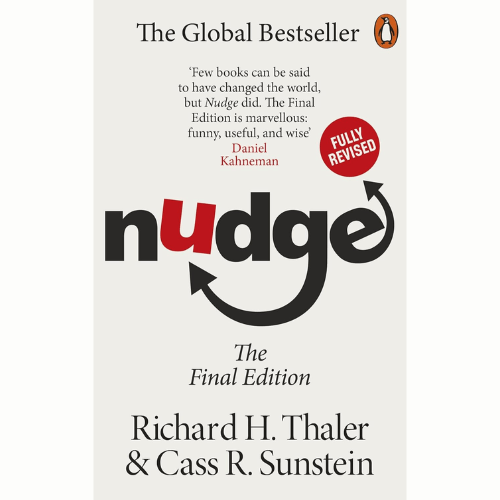
Nudge: Improving Decisions About Health, Wealth, and Happiness
Original price was: ₨1,120.₨679Current price is: ₨679.
Description
1. **Behavioral Economics**: The book integrates insights from psychology and economics to understand why people often make irrational choices.
2. **Choice Architecture**: The concept of “choice architecture” involves designing the way choices are presented to people, making it easier for them to make decisions that are in their best interest.
3. **Nudging**: A “nudge” is a subtle change in the way options are presented that can help people make better decisions without restricting their freedom of choice. Examples include automatic enrollment in retirement savings plans or default options in health plans.
4. **Libertarian Paternalism**: The authors argue for a balance between individual freedom and the guidance provided by choice architects. The goal is to design systems that steer people toward better choices while still respecting their autonomy.
5. **Applications**: The principles of nudging can be applied in various domains such as personal finance, health care, and public policy. For instance, arranging healthier foods at eye level in cafeterias or setting default options for organ donation can lead to improved outcomes.
6. **Critiques and Limitations**: The book also addresses potential criticisms of nudging, including concerns about manipulation and the ethical implications of influencing people’s choices.
Overall, “Nudge” advocates for a thoughtful approach to decision-making that considers human psychology and aims to improve individual and societal well-being through smart design and subtle guidance.We don’t always make decisions that are best for us in the long run.
-
We often make bad decisions based on either too little or overly complex information.
-
Human beings act mainly on gut feelings.
-
Sometimes we make faulty decisions because we succumb to temptation or act without thinking.
Only logged in customers who have purchased this product may leave a review.



Reviews
There are no reviews yet.